
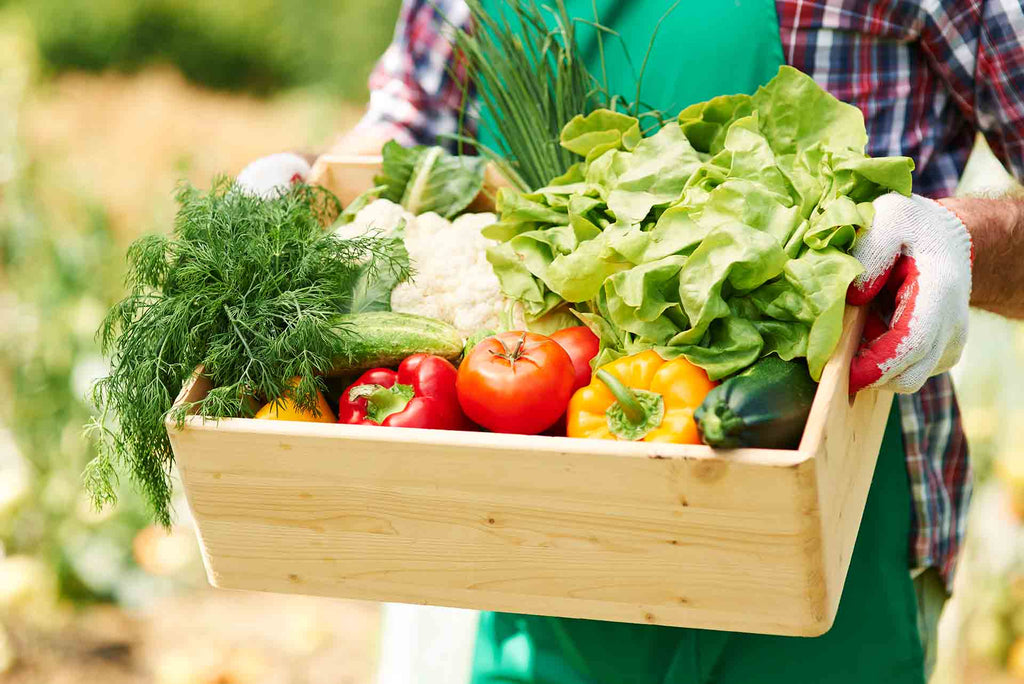
The Importance of Sustainable Food Production Approach
Let's start with an idea: In a world where we can begin each morning thinking about our breakfast and imagine how our dinner will be prepared, how can we establish a production model that lives in harmony with nature? Sustainable food production is not just about "protecting the environment"; it's a holistic perspective that also encompasses food security, economic justice, and social well-being.
Why now, why here?
Our food systems have become complex and fragile. Factors such as climate change, floods, soil erosion, and biodiversity decline are increasing the fragility of the chain from production to table. This affects not only nature but also farmers, workers, and consumers. Sustainability is one of the most fundamental steps we need to take to strengthen this chain.
That's why, when implementing the "Sustainable Food Production Approach," we aim to achieve these three key gains simultaneously:
- Protecting and restoring nature.
- Prioritizing human health and safety.
- Economic justice and empowering local communities.
What is sustainability, and what is it not?
Sustainability does not refer to a single method or a single goal. Rather, it encompasses three fundamental dimensions:
- Environmental aspect: Protecting soil, water, air quality and biodiversity.
- Social dimension: Considering farmers' rights, workers' conditions, and the needs of local communities.
- Economic dimension: Fair income for small farmers, long-term investment and resilience.
A production system cannot be considered truly sustainable without balancing these three dimensions. In short, sustainability is not simply about "abundant production"; it means building a sustainable future through product safety, social justice, and the efficient use of resources.
How does sustainability work in everyday life?
To understand sustainable food production, let's not limit ourselves to large-scale solutions; let's start in our kitchens. Here are a few practical steps everyone can take:
- Choose local and seasonal produce: Instead of long transportation chains, growing produce in your region will both reduce your carbon footprint and strengthen the local economy.
- Reduce waste and reuse: Portion control, saving and reusing leftover food, significantly reduces waste.
- Smaller quantities but higher quality production: Focus on variety and quality, especially in staple foods (cereals, legumes, fruits and vegetables); this allows you to obtain more nutrients with fewer resources.
- Choose brands that support sustainable agriculture: Certified products or transparent supply chains demonstrate that sustainability principles have been adopted in production processes.
- Connect with the community: Local farmers' markets, cooperatives, and food communities are reliable sources of information and resources.
OASIS Bio's sustainability journey
At OASIS Bio, sustainability is not just a goal for us, but a daily practice. We strive to achieve efficiency and quality in food production in harmony with nature, within an ethical and transparent framework. Our main focuses on this journey are:
- Conservation of natural resources: Sensitivity to water, soil, and biodiversity.
- Transparency and trust: We openly share our production processes, inputs used, and supply chain with you.
- Community and justice: Supporting small producers with fair practices, strengthening the local economy.
- Innovation and adaptation: Researching and implementing climate-resilient agricultural techniques.
We place great importance on maintaining dialogue with our valued readers throughout this process. Sustainability is not just the responsibility of one institution; it is a shared understanding that grows with the contribution of each of us.
Practical recommendations to support sustainable food production.
- Shop consciously: Check labels and certifications, and focus on sustainable production standards.
- Discover local producers: Visit farmers' markets in your area and listen to their stories.
- Continue learning about the food system: Gain basic knowledge about resource use, water management, and soil health.
- Collaboration with stakeholders: Join community groups related to food production and develop joint projects.
- Demand transparency: Contact the market or producer to learn about and share sustainability practices in their production processes.
Conclusion: Every step makes a difference.
Sustainable food production isn't about expecting instantaneous, dramatic changes. It's a journey that grows through the combination of small, everyday choices. As we strengthen our connection with the land, the water, and the people, we build a more robust food system for future generations.
At OASIS Bio, we are delighted to share this journey with you. Are you ready to be an active part of it? Share your comments, experiences, and questions with us; let's work together towards a more sustainable future.
